Meet Inspiring Speakers and Experts at our 3000+ Global Events with over 1000+ Conferences, 1000+ Symposiums and 1000+ Workshops on Medical, Pharma, Engineering, Science, Technology and Business.
Explore and learn more about Conference Series : World’s leading Event Organizer
Dear Keynote Speakers, Delegates, Exhibitors, Students, PhD Scholars, and Young Researchers,
It is our great pleasure to warmly welcome you all to the 27th World Congress on Cancer Summit in Paris, France. We are honored to bring together distinguished experts, industry leaders, dedicated professionals, and the next generation of researchers under one global platform committed to advancing cancer care.
This year’s theme, “Advancing Cancer Care to Combat Cancer and Achieve a Cancer-Free World,” reflects our shared vision of strengthening research, improving treatment strategies, promoting early detection, and fostering global collaboration to overcome cancer. Your knowledge, innovation, and dedication play a vital role in shaping the future of oncology.
We extend our sincere gratitude to our keynote speakers for sharing their expertise, to our delegates and exhibitors for contributing cutting-edge research and technologies, and to our students and PhD scholars whose passion and fresh perspectives represent the future of cancer research and care.
Over these two inspiring days, we encourage you to engage actively, exchange ideas, build meaningful collaborations, and explore innovative solutions that can bring us closer to a cancer-free world.
We wish you a productive, insightful, and memorable experience at the 27th World Congress on Cancer Summit.
Warm regards,
Organizing Committee
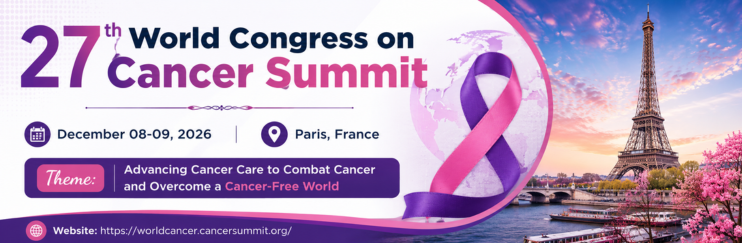
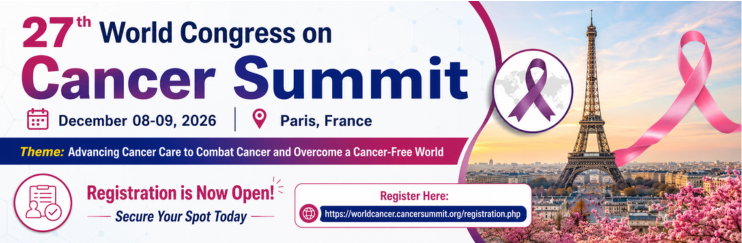
27th World Congress on Cancer Summit
December 08-09, 2026 | Paris, France
About CANCER 2026
27th World Congress on Cancer Summit
December 08-09, 2026 | Paris, France
Theme: Advancing Cancer Care to Combat Cancer and Overcome a Cancer-Free World
The 27th World Congress on Cancer Summit (CANCER 2026) is a premier international platform dedicated to advancing research, innovation, and collaboration in the field of oncology. This global gathering will bring together leading scientists, clinicians, healthcare professionals, industry experts, students, and policymakers to share knowledge and strengthen collective efforts toward a cancer-free world.
CANCER 2026 will feature distinguished keynote speakers who will present transformative insights into emerging trends, groundbreaking discoveries, and future directions in cancer prevention, diagnosis, and treatment. The scientific program includes comprehensive sessions covering immunotherapy, precision medicine, radiation oncology, surgical advancements, biomarkers, early detection, cancer genomics, survivorship, and global cancer control strategies.
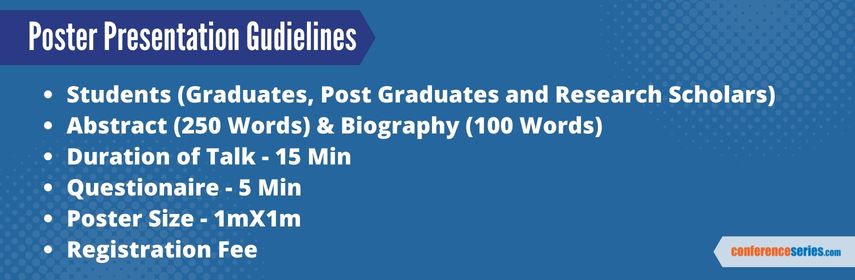
The conference will also host oral and poster presentations, offering researchers, PhD scholars, and young investigators the opportunity to showcase innovative findings and engage with international experts. Dedicated networking sessions and panel discussions will foster interdisciplinary collaboration and encourage meaningful partnerships across academia, healthcare institutions, and industry.
An extensive exhibition area will highlight the latest technologies, pharmaceutical advancements, medical devices, and digital health solutions that are transforming cancer care worldwide.
Held in the historic and inspiring city of Paris, France, CANCER 2026 not only promotes scientific excellence but also provides a dynamic environment for professional growth, cultural exchange, and global cooperation in the fight against cancer.
We look forward to welcoming you to this impactful and transformative congress.
Why Attend – CANCER 2026
Learn from internationally recognized oncology experts
Gain insights into the latest cancer research and innovations
Explore advancements in immunotherapy and precision medicine
Present your research through oral and poster sessions
Network with global researchers and healthcare professionals
Build international collaborations and partnerships
Discover new technologies and industry developments
Enhance career and academic opportunities
Connect with students, PhD scholars, and young investigators worldwide
Experience a world-class scientific event in Paris
Target Audience
Oncologists and Clinical Researchers
Medical and Radiation Oncologists
Surgical Oncologists
Pathologists and Radiologists
Cancer Biologists and Molecular Researchers
Immunologists and Geneticists
Pharmaceutical and Biotech Professionals
Healthcare Practitioners and Nurses
Public Health Experts and Policy Makers
Academicians and University Professors
Postdoctoral Fellows and PhD Scholars
Graduate and Medical Students
Industry Representatives and Exhibitors
Non-Governmental Organizations and Cancer Advocacy Groups
Precision oncology is transforming modern cancer care by shifting treatment strategies from a one-size-fits-all approach to highly individualized therapeutic models based on a patient’s genetic, molecular, and biomarker profile. Advances in next-generation sequencing (NGS), comprehensive genomic profiling, and biomarker-driven diagnostics now allow clinicians to identify actionable mutations in tumors and match patients with targeted therapies that improve response rates and reduce unnecessary toxicity. Current trends include the rapid expansion of companion diagnostics, tumor-agnostic therapies, and molecular tumor boards that integrate multidisciplinary expertise to design personalized treatment plans. The growing use of liquid biopsy technologies enables real-time monitoring of tumor evolution, minimal residual disease detection, and therapy resistance assessment without invasive procedures. Immunotherapy biomarkers such as PD-L1 expression, tumor mutational burden (TMB), and microsatellite instability (MSI) are playing a crucial role in guiding immune checkpoint inhibitor therapies. Furthermore, artificial intelligence and big data analytics are enhancing predictive modeling for treatment outcomes, optimizing drug selection, and accelerating precision drug development. The integration of pharmacogenomics into routine oncology practice is also helping to tailor drug dosing and minimize adverse reactions. As healthcare systems adopt value-based care models, precision oncology contributes to cost-effectiveness by improving therapeutic efficiency and avoiding ineffective treatments. Ongoing research in multi-omics approaches—including genomics, proteomics, and metabolomics—is expected to further refine individualized cancer management strategies. This session will explore emerging innovations, clinical applications, regulatory considerations, and translational research advancements that are shaping the future of personalized cancer therapy and redefining global oncology standards.
Cancer immunotherapy has emerged as one of the most transformative advancements in oncology, harnessing the body’s immune system to recognize and eliminate malignant cells with improved specificity and durability. Current trends focus on immune checkpoint inhibitors targeting PD-1, PD-L1, and CTLA-4 pathways, which have demonstrated significant survival benefits across multiple tumor types including lung, melanoma, and renal cancers. In addition, CAR-T cell therapy and other adoptive cell transfer technologies are expanding beyond hematologic malignancies into solid tumors through enhanced engineering techniques that improve persistence, targeting accuracy, and safety. A major area of innovation involves next-generation cancer vaccines, including mRNA-based platforms and neoantigen-targeted personalized vaccines designed to stimulate highly specific immune responses. Combination therapies integrating immunotherapy with chemotherapy, radiotherapy, or targeted agents are showing promising synergistic effects by overcoming tumor immune evasion mechanisms. Biomarker development remains central to patient selection, with ongoing research into tumor microenvironment profiling, immune gene signatures, and predictive response markers. Advances in bispecific antibodies and immune-modulating agents are further expanding treatment possibilities. Despite these breakthroughs, challenges such as immune-related adverse events, resistance mechanisms, and high treatment costs remain critical considerations. This session will explore emerging immunotherapeutic strategies, innovative vaccine technologies, translational research developments, and clinical trial advancements that are redefining the future landscape of cancer treatment and moving oncology closer toward durable remission and long-term survival outcomes.
Artificial Intelligence (AI) and digital health technologies are rapidly transforming cancer diagnosis, treatment planning, and patient management by enhancing accuracy, efficiency, and predictive capabilities. Machine learning algorithms are now widely used in radiology and pathology to detect tumors at earlier stages through advanced imaging analysis, improving diagnostic precision while reducing human error. AI-powered tools assist clinicians in interpreting complex genomic data, identifying actionable mutations, and recommending personalized treatment strategies based on real-world evidence and clinical trial databases. Digital pathology, automated image recognition, and predictive analytics are streamlining workflows and enabling faster clinical decision-making. In radiation oncology, AI enhances treatment planning by optimizing dose distribution and minimizing damage to surrounding healthy tissues. Additionally, wearable devices and remote monitoring platforms support continuous patient tracking, improving symptom management and adherence to therapy, especially in tele-oncology settings. Big data integration from electronic health records (EHRs), genomics, and clinical outcomes is enabling predictive modeling for survival rates, treatment responses, and recurrence risks. Emerging trends also include AI-driven drug discovery, which accelerates identification of novel therapeutic targets and reduces development timelines. However, challenges such as data privacy, algorithm bias, regulatory compliance, and integration into clinical practice require careful governance. This session will highlight cutting-edge AI applications, digital transformation strategies, real-world implementation case studies, and ethical considerations that are shaping the next generation of oncology care and redefining how cancer is detected, treated, and managed globally.
Early cancer detection remains one of the most critical strategies for reducing cancer-related mortality, as survival rates significantly improve when malignancies are diagnosed at localized stages. Current trends focus on non-invasive and minimally invasive diagnostic approaches, particularly liquid biopsy technologies that analyze circulating tumor DNA (ctDNA), circulating tumor cells (CTCs), exosomes, and other cancer-related biomarkers from blood samples. These advanced molecular techniques enable early tumor identification, real-time disease monitoring, assessment of minimal residual disease, and detection of therapy resistance without the need for repeated tissue biopsies. Multi-cancer early detection (MCED) tests, powered by next-generation sequencing and methylation profiling, are gaining attention for their potential to screen multiple cancer types simultaneously in asymptomatic individuals. Integration of artificial intelligence with molecular diagnostics further enhances sensitivity and specificity, reducing false positives and improving clinical decision-making. Screening innovations in breast, lung, colorectal, and cervical cancers are increasingly incorporating biomarker-based strategies alongside traditional imaging methods. Preventive oncology is also advancing through risk stratification models that combine genetic predisposition, lifestyle factors, and environmental exposures to identify high-risk populations. Despite these breakthroughs, challenges remain in clinical validation, regulatory approval, reimbursement policies, and ensuring equitable global access to screening technologies. This session will explore emerging diagnostic platforms, biomarker discoveries, large-scale clinical trials, and policy frameworks that are shaping the future of early cancer detection and redefining preventive oncology worldwide.
Targeted therapy and molecular oncology continue to redefine cancer treatment by focusing on specific genetic mutations, signaling pathways, and molecular abnormalities that drive tumor growth and progression. Unlike conventional chemotherapy, targeted therapies are designed to selectively attack cancer cells while minimizing damage to normal tissues, resulting in improved efficacy and reduced toxicity. Advances in genomic sequencing and molecular profiling have enabled the identification of actionable mutations such as EGFR, HER2, BRAF, ALK, and KRAS, allowing clinicians to tailor treatments based on tumor biology. The development of small-molecule inhibitors, monoclonal antibodies, and antibody-drug conjugates (ADCs) has significantly expanded therapeutic options across solid tumors and hematologic malignancies. Combination strategies integrating targeted agents with immunotherapy or chemotherapy are increasingly being explored to overcome drug resistance and enhance response durability. Precision medicine initiatives and molecular tumor boards are facilitating individualized treatment planning using real-time genomic data. Furthermore, emerging research in epigenetic modulation, tumor microenvironment targeting, and pathway inhibition is opening new avenues for next-generation targeted interventions. Despite notable progress, challenges such as acquired resistance, tumor heterogeneity, high development costs, and regulatory complexities remain significant barriers. This session will highlight recent breakthroughs in molecular oncology, translational research innovations, novel drug development pipelines, and clinical trial advancements that are shaping the evolving landscape of targeted cancer therapy and improving patient-specific treatment outcomes globally.
Immuno-oncology, particularly CAR-T cell therapy, represents a revolutionary approach in cancer treatment by leveraging the patient’s immune system to specifically target and eliminate tumor cells. Current trends focus on engineering T cells to express chimeric antigen receptors (CARs) that recognize tumor-specific antigens, providing highly personalized and potent anti-cancer activity. CAR-T therapies have shown remarkable success in hematologic malignancies, including leukemia and lymphoma, and ongoing research aims to overcome challenges in solid tumors through multi-targeted CAR designs and enhanced tumor infiltration strategies. Immune checkpoint inhibitors, such as PD-1, PD-L1, and CTLA-4 blockers, are being combined with CAR-T therapies to improve efficacy and overcome immune evasion mechanisms. Innovations in next-generation CAR-T platforms focus on improving safety, reducing cytokine release syndrome, and prolonging T cell persistence. Additionally, bispecific T cell engagers (BiTEs), tumor-infiltrating lymphocyte therapies, and oncolytic viruses are complementing the immunotherapy landscape, expanding treatment options for previously refractory cancers. Integration of genomic and proteomic profiling enables identification of ideal candidates and optimization of personalized immunotherapy protocols. Regulatory frameworks, scalable manufacturing, and cost-effectiveness remain critical considerations for broader global adoption. This session will explore the latest clinical advancements, translational research, combination strategies, and technological innovations in immuno-oncology and CAR-T therapy, highlighting their transformative potential to improve long-term survival and reshape the future of cancer care.
Radiotherapy and surgical oncology are undergoing a transformation through precision medicine, robotics, and advanced imaging technologies, enabling more effective and less invasive cancer treatments. Modern radiotherapy techniques, such as intensity-modulated radiotherapy (IMRT), stereotactic body radiotherapy (SBRT), proton therapy, and image-guided radiotherapy (IGRT), allow highly targeted tumor irradiation while sparing surrounding healthy tissues, reducing side effects, and improving patient outcomes. In surgical oncology, robotic-assisted surgeries, minimally invasive procedures, and real-time intraoperative imaging are enhancing precision, shortening recovery times, and expanding operability for complex tumor resections. Integration of radiomics and AI in treatment planning optimizes dose delivery, predicts tumor response, and personalizes therapy schedules. Multidisciplinary approaches combining surgery, radiotherapy, and systemic therapies such as chemotherapy, targeted therapy, or immunotherapy are improving overall survival and quality of life. Additionally, innovations in intraoperative navigation, fluorescence-guided surgery, and sentinel lymph node mapping are improving accuracy in tumor localization and margin assessment. Challenges remain in equipment accessibility, training, and treatment costs, particularly in low-resource settings. This session will explore cutting-edge radiotherapy techniques, advancements in surgical oncology, clinical outcomes, and translational research, highlighting how precision interventions are redefining standards of care and improving long-term cancer survival.
Supportive care and palliative oncology are increasingly recognized as essential components of comprehensive cancer treatment, focusing on improving quality of life, symptom management, and psychosocial support for patients and their families. Modern oncology care emphasizes a patient-centric approach, integrating pain management, nutrition, mental health support, and rehabilitation alongside active cancer therapies. Palliative interventions now leverage multidisciplinary teams, including physicians, nurses, social workers, and counselors, to address physical, emotional, and spiritual needs throughout the disease continuum. Advances in symptom control, such as targeted analgesics, antiemetic regimens, and interventions for fatigue, cachexia, and neuropathy, enhance patient comfort and treatment adherence. Telemedicine and digital health platforms are expanding access to supportive care, enabling remote monitoring, virtual consultations, and timely intervention for patients in underserved or geographically distant regions. Early integration of palliative care into oncology workflows has been shown to improve survival outcomes, reduce hospitalizations, and optimize resource utilization. Additionally, patient-reported outcome measures (PROMs) and digital symptom tracking are guiding personalized care plans and informing clinical decision-making. This session will explore current trends, innovations in supportive therapies, best practices in palliative oncology, and strategies for implementing holistic, patient-focused care models that enhance overall wellbeing and empower cancer patients throughout their treatment journey.
Biomarkers and molecular diagnostics are at the forefront of modern oncology, enabling early detection, accurate prognosis, patient stratification, and personalized treatment selection. Advances in genomics, transcriptomics, proteomics, and metabolomics have facilitated the identification of molecular signatures that predict disease progression, therapy response, and potential resistance mechanisms. Liquid biopsy technologies, analyzing circulating tumor DNA (ctDNA), exosomes, and microRNAs, are increasingly used for minimally invasive monitoring of tumor dynamics, early relapse detection, and therapy optimization. Companion diagnostics are now essential in guiding targeted therapies, such as EGFR inhibitors, PARP inhibitors, and immunotherapies, ensuring treatments are matched to the molecular profile of the tumor. Integration of artificial intelligence and machine learning with molecular diagnostics enhances the interpretation of complex datasets, improves predictive accuracy, and supports precision oncology decision-making. Multi-omic approaches are uncovering novel biomarkers for rare and aggressive cancers, while high-throughput screening platforms accelerate biomarker discovery and validation. Challenges remain in clinical implementation, regulatory approval, standardization, and global accessibility of advanced diagnostic tools. This session will explore the latest breakthroughs in biomarker research, emerging molecular diagnostic technologies, translational applications, and clinical strategies that are shaping personalized cancer care and enabling more effective, data-driven oncology practices worldwide.
Emerging therapies in oncology are reshaping the future of cancer care by introducing novel treatment modalities, innovative drug platforms, and multi-disciplinary strategies aimed at improving efficacy, minimizing toxicity, and enhancing patient survival. Current trends include next-generation immunotherapies such as personalized cancer vaccines, bispecific antibodies, oncolytic viruses, and combination regimens that integrate immunotherapy with targeted therapy, chemotherapy, or radiotherapy to overcome resistance mechanisms. Advances in gene editing, including CRISPR-Cas9, and cell-based therapies are enabling precise manipulation of tumor and immune cells to enhance antitumor activity. Nanotechnology-based drug delivery systems are improving the bioavailability and tumor-specific targeting of chemotherapeutics and biologics, reducing systemic side effects. Artificial intelligence and predictive analytics are accelerating drug discovery, optimizing clinical trial design, and enabling real-time monitoring of treatment responses. In parallel, precision medicine initiatives leverage genomic, proteomic, and metabolomic profiling to develop patient-specific therapeutic strategies and identify high-risk populations for preventive interventions. Challenges such as regulatory complexities, high treatment costs, tumor heterogeneity, and equitable access remain, highlighting the need for global collaboration in research and healthcare delivery. This session will explore cutting-edge innovations, translational research, clinical trial advancements, and future perspectives that are poised to redefine oncology, offering hope for more durable responses, personalized therapies, and ultimately improved global cancer outcomes.
Tele-oncology and digital health solutions are rapidly transforming cancer care by providing remote access to consultations, follow-ups, treatment monitoring, and patient support, thereby overcoming geographical and logistical barriers. The integration of telemedicine platforms enables oncologists to conduct virtual visits, review imaging and lab results, and guide therapy adjustments, improving patient adherence and continuity of care. Wearable devices, mobile apps, and remote monitoring tools track vital signs, symptoms, and medication compliance, generating real-time data that informs clinical decision-making and early intervention. Artificial intelligence and machine learning algorithms are being incorporated to predict disease progression, optimize treatment schedules, and personalize patient management plans. Digital health also facilitates multidisciplinary collaboration among oncology teams, pathologists, radiologists, and primary care providers, enhancing coordinated care for complex cases. In addition, virtual clinical trials are emerging, allowing broader patient participation and accelerating data collection while reducing costs and logistical challenges. Despite these advancements, challenges such as data privacy, cybersecurity, regulatory compliance, and digital literacy must be addressed to maximize the effectiveness of tele-oncology. This session will explore the latest trends, technological innovations, implementation strategies, and real-world case studies demonstrating how telemedicine and digital health are reshaping cancer care delivery and improving patient outcomes globally.
Cancer prevention and early detection are critical components of reducing global cancer burden, focusing on lifestyle interventions, vaccination programs, and population-based screening initiatives. Current trends emphasize preventive strategies such as HPV and hepatitis B vaccination to lower infection-related cancer incidence, tobacco cessation campaigns, dietary and exercise interventions, and risk-reduction counseling for genetically predisposed individuals. Advances in screening technologies, including low-dose CT for lung cancer, mammography for breast cancer, colonoscopy and fecal immunochemical tests for colorectal cancer, and liquid biopsy platforms for multi-cancer detection, are enabling earlier diagnosis and improved survival rates. Public health strategies are increasingly integrating precision prevention by using genetic and biomarker profiling to identify high-risk populations, optimize screening frequency, and personalize intervention programs. Digital health tools, mobile applications, and AI-driven risk assessment models are facilitating wider outreach, education, and adherence to preventive measures, particularly in underserved regions. Challenges remain in ensuring equitable access, addressing socioeconomic disparities, and achieving high participation rates in national screening programs. This session will explore emerging research, innovative screening methods, policy initiatives, and public health strategies that promote cancer prevention, early detection, and population-level interventions, ultimately aiming to reduce incidence, improve outcomes, and enhance global cancer control efforts.
Clinical trials and translational research are the backbone of advancing cancer treatment, bridging laboratory discoveries with real-world clinical applications to improve patient outcomes. Current trends in oncology trials include adaptive trial designs, basket and umbrella trials, and real-world evidence integration, which allow more efficient evaluation of targeted therapies, immunotherapies, and combination regimens. Precision medicine approaches are increasingly incorporated, with patient selection guided by genomic, proteomic, and biomarker profiles to ensure optimal treatment matching and reduce trial attrition. Advances in digital technology, including electronic patient-reported outcomes, telemonitoring, and AI-driven data analytics, are improving trial recruitment, monitoring, and endpoint assessments. Translational research efforts focus on identifying novel molecular targets, understanding mechanisms of resistance, and developing predictive models for therapeutic response. Ethical considerations, regulatory compliance, and patient safety remain critical throughout the research continuum, especially when testing emerging modalities such as CAR-T therapies, gene editing, and personalized vaccines. This session will examine innovative trial designs, the integration of laboratory and clinical research, emerging therapeutic pipelines, and strategies to accelerate the translation of scientific discoveries into safe, effective, and accessible cancer therapies worldwide.
Health economics, access, and policy play a pivotal role in ensuring equitable delivery of cancer care while balancing cost-effectiveness, resource allocation, and treatment outcomes. Current trends focus on value-based oncology, assessing the economic impact of therapies, including high-cost innovations such as immunotherapies, CAR-T cell treatments, and targeted agents, to optimize healthcare spending without compromising patient outcomes. Policymakers are increasingly emphasizing reimbursement frameworks, insurance coverage, and pricing strategies that improve access to advanced diagnostics and treatments, particularly in low- and middle-income countries. Real-world evidence and pharmacoeconomic analyses are informing clinical guidelines, budget planning, and healthcare decision-making, while patient-centered policies aim to address disparities in care delivery, geographic barriers, and social determinants of health. Digital health and telemedicine are also being leveraged to enhance access, reduce costs, and improve adherence to therapy, especially in remote or underserved populations. This session will explore emerging health policy strategies, economic evaluation of oncology treatments, global access initiatives, and the role of regulatory and payer frameworks in shaping sustainable, high-quality cancer care systems that maximize patient benefit and societal impact.
Cancer survivorship and long-term care are increasingly recognized as essential components of comprehensive oncology, focusing on improving quality of life, managing late effects of treatment, and supporting reintegration into daily life. Advances in survivorship care plans emphasize monitoring for recurrence, managing chronic side effects such as cardiotoxicity, neuropathy, or hormonal imbalances, and addressing psychological, social, and vocational needs. Rehabilitation programs, including physical therapy, occupational therapy, and exercise interventions, help restore functional independence, reduce fatigue, and enhance overall well-being. Nutritional support, psychosocial counseling, and cognitive rehabilitation are integral to holistic care, particularly for patients who have undergone aggressive therapies such as chemotherapy, radiotherapy, or bone marrow transplantation. Digital health tools, remote monitoring, and telehealth platforms are facilitating continuous follow-up, patient education, and symptom management, improving adherence to long-term care recommendations. Additionally, research into patient-reported outcomes, health-related quality of life metrics, and survivorship biomarkers is guiding personalized post-treatment strategies. This session will explore emerging trends, clinical practices, rehabilitation innovations, and policy frameworks that enhance survivorship care, aiming to optimize health outcomes, empower patients, and support long-term recovery and wellness for cancer survivors globally.
Nanotechnology is revolutionizing cancer treatment by enabling highly precise drug delivery systems that improve therapeutic efficacy while minimizing toxicity to healthy tissues. Current trends focus on the development of nanoparticle-based carriers, liposomes, polymeric micelles, and nanoconjugates that can encapsulate chemotherapeutics, targeted agents, or biologics for controlled and tumor-specific release. These platforms enhance drug solubility, stability, and bioavailability, while facilitating passive targeting through the enhanced permeability and retention (EPR) effect or active targeting via tumor-specific ligands. Nanotechnology also supports combination therapies by co-delivering multiple agents to the tumor microenvironment, overcoming drug resistance, and improving treatment response. Advances in imaging-guided nanoparticles allow real-time monitoring of drug distribution, enabling personalized dosing strategies and precise therapeutic interventions. Emerging research explores multifunctional nanoplatforms for simultaneous therapy and diagnostics, termed “theranostics,” which integrate tumor detection, monitoring, and treatment in a single system. Challenges such as large-scale manufacturing, biocompatibility, regulatory approval, and cost-effectiveness remain critical for clinical translation. This session will explore the latest innovations in nanotechnology-driven drug delivery, preclinical and clinical applications, translational research, and the potential of nanomedicine to redefine the future of precision oncology and improve outcomes for cancer patients worldwide.
Epigenetics and gene editing are emerging as powerful tools in oncology, offering new strategies to understand, prevent, and treat cancer at the molecular level. Epigenetic modifications, including DNA methylation, histone modification, and non-coding RNA regulation, play a crucial role in tumor initiation, progression, and drug resistance. Targeting these reversible changes through epigenetic drugs—such as DNA methyltransferase inhibitors and histone deacetylase inhibitors—provides opportunities for precision therapy, either as monotherapy or in combination with chemotherapy, immunotherapy, or targeted agents. Gene editing technologies, particularly CRISPR-Cas9 and base-editing platforms, are enabling precise modifications of oncogenes, tumor suppressor genes, and immune-regulatory pathways, paving the way for personalized cancer treatments. Recent advances include in vivo gene editing for solid tumors, engineered immune cells, and RNA-based therapeutics to correct or silence pathogenic mutations. Integration of epigenetic profiling with genomic and transcriptomic data enhances patient stratification, predictive biomarker development, and therapy optimization. Challenges such as off-target effects, delivery mechanisms, ethical considerations, and regulatory oversight remain critical for clinical translation. This session will explore cutting-edge research, clinical applications, and future perspectives of epigenetics and gene editing in oncology, highlighting their transformative potential to develop next-generation, patient-specific cancer therapies.
Artificial intelligence (AI) is increasingly transforming oncology by accelerating drug discovery, optimizing clinical decision-making, and improving patient outcomes through data-driven precision medicine. AI algorithms analyze large-scale genomic, proteomic, and clinical datasets to identify novel therapeutic targets, predict drug efficacy, and optimize combination therapies, significantly reducing development timelines and costs. In clinical practice, AI-powered decision support systems assist oncologists in treatment selection by integrating patient-specific molecular profiles, imaging data, and historical outcomes to recommend personalized therapeutic strategies. Predictive models can forecast tumor progression, therapy response, and potential adverse effects, enabling proactive intervention and risk mitigation. AI applications also extend to virtual clinical trials, real-world evidence analysis, and drug repurposing, enhancing efficiency and expanding access to innovative therapies. Integration with imaging modalities through radiomics and digital pathology enables earlier detection, accurate staging, and monitoring of treatment response with greater precision. Despite its potential, challenges remain regarding data privacy, algorithm transparency, regulatory compliance, and clinical validation to ensure safe and equitable adoption. This session will explore the latest advancements in AI-driven oncology, applications in drug discovery, clinical decision support, and translational research, highlighting how AI is shaping the future of personalized, efficient, and effective cancer care.
Multidisciplinary and integrated care models are transforming oncology by bringing together specialists from surgery, medical oncology, radiation oncology, pathology, radiology, nursing, palliative care, and supportive services to provide coordinated, patient-centered treatment. Current trends emphasize tumor boards and collaborative care teams that evaluate individual cases to develop personalized treatment plans, integrating diagnostics, targeted therapy, immunotherapy, and supportive care to optimize outcomes. Integrated care also extends to survivorship planning, rehabilitation, psychosocial support, and health education, ensuring that patients receive comprehensive care throughout the disease continuum. Digital platforms and telemedicine facilitate communication among team members, enhance real-time decision-making, and improve access to multidisciplinary expertise for patients in remote or underserved areas. Data-driven approaches, including real-world evidence and predictive analytics, inform treatment strategies, monitor progress, and identify gaps in care delivery. Challenges include logistical coordination, resource allocation, and harmonizing protocols across institutions, but the benefits—improved survival rates, reduced complications, and enhanced patient satisfaction—are significant. This session will explore best practices, emerging frameworks, clinical case studies, and innovative strategies for implementing multidisciplinary and integrated oncology care models that enhance efficiency, outcomes, and overall patient experience globally.
The global oncology landscape is evolving rapidly, driven by advances in precision medicine, immunotherapy, digital health, and collaborative research, reshaping how cancer is diagnosed, treated, and managed worldwide. Rising cancer incidence, particularly in aging populations and emerging economies, is creating an urgent demand for accessible, cost-effective, and innovative cancer care solutions. Current trends include the expansion of personalized therapies based on genomic and molecular profiling, widespread adoption of non-invasive diagnostics such as liquid biopsies, and integration of artificial intelligence to optimize treatment planning and predict outcomes. Collaborative international research, multi-center clinical trials, and public-private partnerships are accelerating drug development, improving regulatory harmonization, and facilitating equitable access to advanced therapies. Preventive oncology, early detection programs, and patient-centric approaches are increasingly prioritized to reduce disease burden and improve quality of life. Challenges such as healthcare disparities, high treatment costs, regulatory complexity, and infrastructure gaps remain, particularly in low- and middle-income regions. This session will explore global oncology trends, emerging technologies, policy frameworks, translational research, and strategies to improve cancer outcomes worldwide, providing a forward-looking perspective on the future of cancer care and innovation.
Market Analysis
1. Market Size and Growth
Current Market Size (2026):
The global oncology market is currently valued at around USD 380 billion in 2026, reflecting ongoing growth driven by advancements in personalized medicine, immunotherapy, precision oncology, and a rising cancer burden worldwide.
Projected Growth:
The oncology market is expected to grow at a CAGR of 8-10% over the next decade, potentially reaching USD 800 billion by 2035.
Key drivers for this growth include increased cancer incidence, global aging populations, advanced diagnostics, and innovative treatments.
Regional Growth:
North America remains the largest market, followed by Europe. However, Asia-Pacific is projected to experience the fastest growth, especially in emerging economies such as China, India, and Southeast Asia, due to improving healthcare infrastructure and increasing cancer awareness.
2. Key Market Drivers
Growing Cancer Incidence: The World Health Organization (WHO) estimates that by 2040, nearly 30 million people will be diagnosed with cancer, marking a significant increase from the 19.3 million cases recorded in 2020. This demand for oncology services is expanding the market rapidly.
Technological Advancements: Immunotherapies, CAR-T cell therapies, and personalized medicine continue to shape cancer treatment approaches, increasing the effectiveness of treatments.
Government and Private Funding: There is an increase in public and private sector funding supporting cancer research, clinical trials, and healthcare infrastructure, which will drive market growth.
Aging Population: With more people living longer in developed regions, the aging population continues to drive an increase in cancer rates, further expanding the oncology market.
Rise of Preventive and Screening Solutions: Non-invasive diagnostic technologies such as liquid biopsies, genetic testing, and advanced imaging techniques are increasingly popular, significantly contributing to early detection and prevention efforts.
3. Major Oncology Market Segments
a) Diagnostics and Screening
Projected CAGR: 8-11% over the next decade.
Key Areas: Liquid biopsies, molecular diagnostics, and next-generation sequencing (NGS).
Growth Drivers: Demand for non-invasive testing, early detection, and monitoring cancer recurrence.
Growth Drivers: Personalized therapies tailored to individual genetic and molecular profiles are becoming a staple in oncology treatment.
c) Radiology and Surgical Oncology
Projected CAGR: 6-8%.
Key Areas: Robotic surgery, precision radiotherapy, and image-guided surgery.
Growth Drivers: Advancements in technology making surgeries less invasive and more accurate, improving patient outcomes.
d) Supportive Care and Palliative Services
Projected CAGR: 5-7%.
Key Areas: Palliative care, psychosocial support, and holistic care.
Growth Drivers: An increasing focus on the patient experience and quality of life as cancer treatments become more effective.
4. Emerging Trends and Innovations
Artificial Intelligence (AI) and Data Analytics: AI tools are being used to improve diagnostic accuracy, treatment planning, and predicting patient outcomes. As AI algorithms improve, its role in personalized treatment plans will expand significantly.
Liquid Biopsy: Liquid biopsy technologies are gaining ground as non-invasive, highly effective means for early cancer detection and monitoring of recurrence. They are expected to play a key role in diagnostics by 2030.
Telemedicine and Digital Health: Virtual oncology consultations, especially for follow-up care and monitoring, will become more widespread, providing easier access to specialists for patients worldwide.
Genetic and Epigenetic Research: Progress in genetics will lead to more targeted therapies, particularly for rare cancers or those with unique genetic mutations.
5. Challenges in the Market
High Treatment Costs: The price of advanced therapies like CAR-T cells and immunotherapy remains high, creating access issues in low- and middle-income regions.
Regulatory Hurdles: Complex and often inconsistent regulatory and reimbursement policies around the world impact the adoption of new treatments, particularly in markets with strict healthcare regulations.
Clinical Trial Complexity: The costs, recruitment issues, and regulatory challenges surrounding clinical trials continue to delay the development of new therapies, even though they are essential for driving innovation.
6. Future Outlook (2026-2030)
Early Detection Focus: There will be a continued push for early detection through liquid biopsies, genetic screenings, and imaging technologies, helping identify cancers in their earliest stages.
Preventive Oncology: Increased investment in preventive care and vaccination programs (e.g., HPV, hepatitis) is likely to reduce the overall cancer burden by targeting cancers caused by infections.
Personalized Therapies: By 2030, advancements in genomics, proteomics, and metabolomics will allow for even more precise treatments, making personalized therapies the gold standard in oncology care.
Collaborative Research and Partnerships: Growing partnerships between pharmaceutical companies, biotech firms, and academic institutions will foster innovative cancer treatments and enhance patient care.
7. Conclusion
The oncology market is on track for significant growth, driven by advancements in treatments, diagnostics, and technology, as well as an increasing global burden of cancer. By 2030, the market is expected to reach USD 600 billion to USD 800 billion, with CAGR projections varying depending on the specific market segment. As AI, liquid biopsies, and personalized therapies revolutionize cancer care, early detection and preventive oncology will become integral to improving patient outcomes globally.
The 27th World Congress on Cancer Summit (2026) will play a pivotal role in advancing these innovations, fostering collaborations, and highlighting emerging technologies that will shape the future of oncology.
The conference offers multiple modes of participation under Academic / Student / Business categories. Participants may join as a:
Delegate
Attend all scientific sessions and networking events without presenting.
Gain knowledge, certification, and full conference access benefits.
Speaker
Present your research through oral, keynote, workshop, or symposium sessions.
Showcase your expertise and gain global academic and professional recognition.
Exhibitor
Promote your company’s products, services, or innovations through an exhibitor booth.
Engage directly with researchers, clinicians, and industry professionals.
Media Partner
Provide media coverage and promotional support for the conference.
Enhance brand visibility while connecting with a global scientific audience.
Sponsor
Support the conference financially or strategically in exchange for branding benefits.
Increase corporate visibility and establish authority within the industry.
Collaborator
Partner with the organizing committee to support academic or industry initiatives.
Build long-term professional relationships and expand institutional outreach.
Join us for the 26th World Congress on Cancer Summit, taking place on June 16-17, 2025, in the vibrant city of Amsterdam, Netherlands. This prestigious event will bring together global leaders in oncology, researchers, and healthcare professionals to explore cutting-edge advancements in cancer research, diagnosis, and treatment. With a focus on collaborative approaches and innovative solutions, the summit aims to foster knowledge exchange and shape the future of cancer care.